Best Plant Milk Substitutes for Cow's Milk You Need to Try
If you’re thinking about cutting down on cow’s milk or switching to a plant-based alternative, you’re not alone. More people are exploring plant milk substitutes for health, environmental, or ethical reasons. The good news is that the variety of plant milks available today means you can find one that suits your taste, cooking needs, and nutritional goals. This guide will walk you through some of the best options you can try, helping you make an informed choice.

Almond Milk: Light and Nutty
Almond milk is one of the most popular plant milk substitutes. It has a mild, slightly nutty flavor and a light texture that works well in smoothies, coffee, and cereal. Almond milk is low in calories compared to cow’s milk, making it a good choice if you want to reduce calorie intake.
Nutrition: Typically low in protein but often fortified with calcium and vitamins D and E
Best uses: Smoothies, coffee, baking, and drinking straight
Considerations: If you have nut allergies, almond milk is not suitable
Almond milk is widely available and comes in sweetened and unsweetened versions. Choose unsweetened if you want to avoid added sugars.
Oat Milk: Creamy and Mild
Oat milk has gained popularity for its creamy texture and naturally sweet taste. It’s made by blending oats with water and straining the mixture. Oat milk is thicker than almond milk, making it a great choice for coffee drinks like lattes.
Nutrition: Contains more carbohydrates and fiber than many other plant milks. It also provides some protein.
Best uses: Coffee, cereal, baking, and cooking.
Considerations: Check for added sugars in flavored versions.
Oat milk is often praised for its environmental benefits, as oats require less water to grow than almonds. It’s a solid choice if you want a creamy texture without dairy.

Soy Milk: High Protein and Versatile
Soy milk is one of the oldest and most established plant milk substitutes. It has a creamy texture and a slightly bean-like flavor that many people find neutral enough to use in various recipes.
Nutrition: High in protein, comparable to cow’s milk, and often fortified with calcium and vitamins
Best uses: Cooking, baking, coffee, and drinking
Considerations: Some people avoid soy due to allergies or concerns about phytoestrogens, though research shows consumption is safe
Soy milk is a great all-rounder if you want a plant milk that closely matches cow’s milk in protein content.
Coconut Milk: Rich and Tropical
Coconut milk has a distinct tropical flavor and a rich, creamy texture. It’s made from the grated meat of mature coconuts mixed with water. This milk is higher in fat than many other plant milks, which gives it a luxurious mouthfeel.
Nutrition: Higher in saturated fat but low in protein
Best uses: Curries, smoothies, desserts, and coffee
Considerations: Its strong flavor may not suit all recipes
Coconut milk works well if you want to add richness and a tropical twist to your dishes.
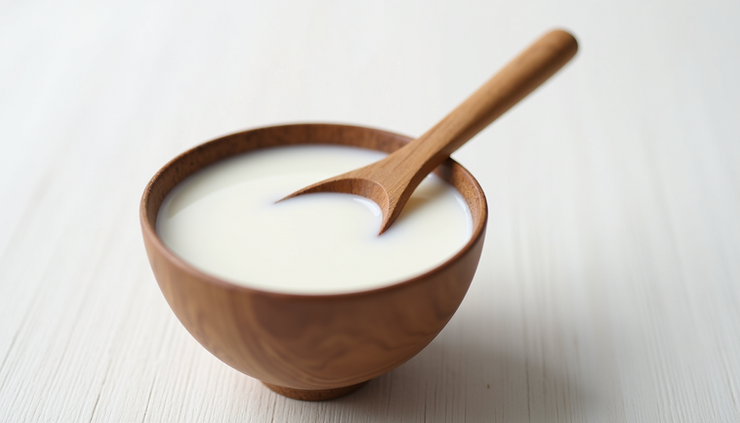
Other Plant Milk Options to Explore
Beyond the popular choices, several other plant milks offer unique flavors and benefits:
Rice Milk: Sweet and thin, good for those with nut or soy allergies but low in protein
Hemp/Flax Milk: Nutty flavor, contains omega-3 fatty acids and protein
Pea Milk: Creamy texture, high in protein (same as cow's milk), and often fortified
Cashew/Pistachio/Walnut/Pecan/Macadamia Milk: Creamy and mild, great for coffee, smoothies, and desserts
Each plant milk has its own taste and nutritional profile, so trying different ones can help you find your favorite.
Tips for Choosing the Right Plant Milk
When selecting a plant milk substitute, consider these factors:
Nutritional needs: Look for protein content if that’s important to you
Taste preferences: Some plant milks have stronger flavors
Usage: Creamier milks work better in coffee and cooking
Allergies: Avoid nuts or soy if you have allergies
Added ingredients: Check for added sugars, preservatives, or thickeners
Trying small cartons or making your own plant milk at home can help you discover what fits your lifestyle best.
For recipes on making your own plant milk, check out my guide for creating plant milks.

Comments