The Ultimate Guide to Vegan Protein Sources
Updated: Jan 1
Finding reliable sources of protein on a vegan diet can feel challenging. Many people worry about getting enough protein without animal products. This guide breaks down the best vegan protein options, how to combine them, and practical tips to meet your daily needs. Whether you’re new to veganism or looking to improve your plant-based nutrition, this post offers clear, useful information to support your health and energy.
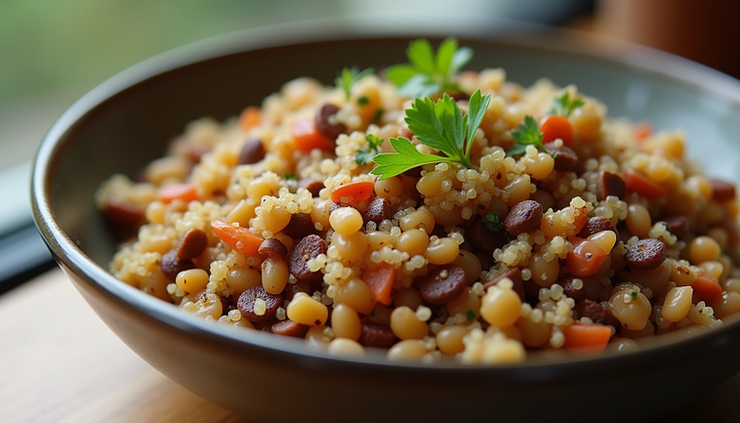
Why Protein Matters on a Vegan Diet
Protein plays a crucial role in building and repairing tissues, supporting immune function, and maintaining muscle mass. On a vegan diet, protein comes exclusively from plants, which means you need to be mindful of variety and quantity. Unlike animal proteins, many plant proteins are incomplete, lacking one or more essential amino acids. Eating a diverse range of protein-rich foods ensures you get all the amino acids your body needs.
The recommended daily protein intake varies by age, sex, and activity level. For most adults, 0.8 grams per kilogram of body weight is a good baseline. Active individuals or athletes may need more. For example, a 70 kg (154 lbs) person should aim for about 56 grams of protein daily.
Complete Vegan Protein Sources
There are a few protein sources that have complete proteins:
Soy
Tempeh
Tofu
Edamame
Soy Milk
Grains
Quinoa
Buckwheat
Amaranth
Seeds
Hemp seeds
Chia seeds
Others
Spirulina
Nutritional yeast (nooch)
Top Vegan Protein Sources
Here are some of the best plant-based protein foods, along with their protein content per typical serving:
Grains
Whole wheat bread: 6 grams per 2 slices
Sourdough bread: 5 grams per 2 slices
Seitan: 21 grams per 100 grams
Wheat noodles: 13 grams per cooked cup
Barley: 5 grams per cooked cup
Oats: 10 grams per cooked cup
Quinoa: 8 grams per cooked cup
Rice: 4 grams per cooked cup
Amaranth: 10 grams per cooked cup
Buckwheat: 6 grams per cooked cup
Beans (per cooked cup)
Lentils: 18 grams
Chickpeas: 15 grams
Black beans: 15 grams
Pinto beans: 15 grams
Red beans: 15 grams
Mung beans: 28 grams
Navy beans: 20 grams
Lima beans: 14 grams
Kidney beans: 16 grams
Soy
Tofu: 10-20 grams per 100 grams, depending on firmness
Tempeh: 19 grams per 100 grams
Soy butter: 8 grams per 2 tablespoons
Soy milk: 8 grams per 1 cup
Edamame: 17 grams per cooked cup
Seeds
Chia seeds: 5 grams per 2 tablespoons
Hemp seeds: 10 grams per 3 tablespoons
Flax seeds: 2 grams per 1 tablespoon
Pumpkin seeds: 12 grams per 1 cup
Pumpkin seed butter: 8 grams per 2 tablespoons
Tahini: 5 grams per 2 tablespoons
Nut Butters
Peanut butter: 8 grams per 2 tablespoons
Almond butter: 7 grams per 2 tablespoons
Walnut butter: 5 grams per 2 tablespoons
Pecan butter: 4 grams per 2 tablespoons
Pistachio butter: 7 grams per 2 tablespoons
Vegetables
Peas: 8 grams per cooked cup
Broccoli: 4 grams per cooked cup
Brussels' sprouts: 4 grams per cooked cup
Asparagus: 4 grams per cooked cup
Sweet corn: 4 grams per cooked cup
Spinach: 5 grams per cooked cup
Collard greens: 5 grams per cooked cup
Potatoes: 3-8 grams depending on size and variety
Cauliflower: 2 grams per cup
Jackfruit: 3 grams per cup
Most vegetables: 1 gram per cooked cup
Other Sources
Nutritional yeast (nooch): 5-8 grams per 2 tablespoons (depends on brand)
Mushrooms: 3 grams per cooked cup
Spirulina: 4 grams per tablespoon
These foods provide a solid foundation for meeting protein needs. Combining legumes, grains, nuts, and seeds throughout the day helps cover all essential amino acids.
How to Combine Vegan Proteins for Complete Nutrition
Plant proteins often lack one or more of the 9 essential amino acids your body needs. Eating a variety of sources during the week solves this. For example, grains tend to be low in lysine but high in methionine, while legumes are the opposite. Combining beans with rice or hummus with whole wheat pita creates a complete protein profile.
You don’t need to combine proteins in the same meal. Your body pools amino acids, so eating diverse protein sources across meals throughout the week works well.
Sample Protein Combinations
Brown rice with black beans
Whole wheat bread with peanut butter
Quinoa salad with chickpeas and vegetables
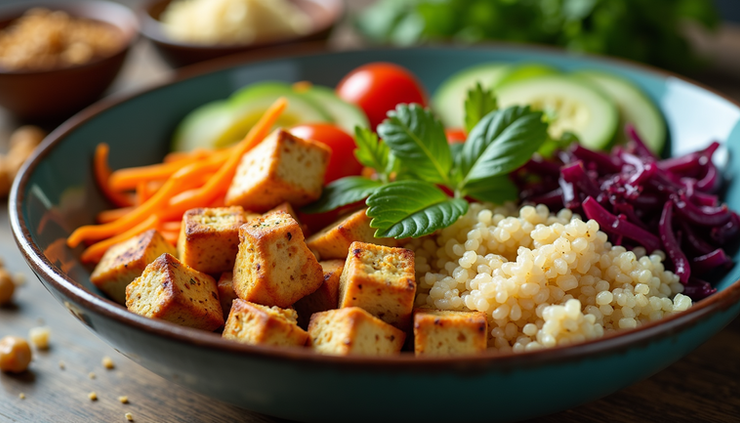
Tofu stir-fry with mixed vegetables and brown rice
Complete Vegan Protein Sources
Despite contrary belief, some vegan protein sources do contain what is called a complete protein. This means you can eat these sources on their own and not need to combine another protein source to get all of the amino acids.
Some of them are high in protein while others are low. The amount you would need to eat may vary so it could be more beneficial to combine these with a higher protein source or more than one in one meal.
There are a few protein sources that have complete proteins:
Soy
Tempeh
Tofu
Edamame
Soy Milk
Grains
Quinoa
Buckwheat
Amaranth
Seeds
Hemp seeds
Chia seeds
Others
Spirulina
Nutritional yeast (nooch)
Protein-Rich Vegan Meal Ideas
Here are some practical meal ideas packed with vegan protein:
Breakfast: Oatmeal topped with hemp seeds, chia seeds, and almond butter
Lunch: Lentil soup with whole grain bread
Snack: Edamame pods or roasted chickpeas
Dinner: Tempeh stir-fry with quinoa and mixed vegetables
These meals are easy to prepare and provide balanced nutrition.
Tips for Boosting Protein Intake on a Vegan Diet
Include legumes daily: Beans, lentils, and peas are versatile and affordable.
Use soy products: Tofu, tempeh, and edamame are complete proteins and easy to cook.
Add seeds and nuts: Sprinkle hemp seeds, chia seeds, or nuts on salads, oatmeal, or smoothies.
Choose whole grains: Quinoa, farro, and brown rice add protein and fiber.
Try seitan: Made from wheat gluten, seitan is high in protein and has a meaty texture.
Snack smart: Roasted chickpeas, nut butters, and protein bars made from plant proteins can help.
Addressing Common Concerns About Vegan Protein
Some worry that plant proteins are not as effective as animal proteins for muscle building. Research shows that with adequate total protein and calorie intake, vegan diets support muscle growth and recovery well. Combining different plant proteins and eating enough calories is key.
Digestibility can vary. For example, beans may cause gas for some people. Soaking, rinsing, and cooking beans properly reduces this. After going vegan for 10-90 days, you don't see this symptom any more. Your body chemistry will change.
Supplements and Protein Powders
While whole foods are best, some people use vegan protein powders for convenience or extra protein. Popular options include:
Pea protein
Brown rice protein
Hemp protein
Soy protein
Look for powders with minimal additives and check the amino acid profile. Protein powders can help athletes or those with higher protein needs but are not necessary for everyone.

Final Thoughts on Vegan Protein
Meeting protein needs on a vegan diet is straightforward with the right foods and planning. Focus on variety, include legumes, grains, nuts, and seeds, and enjoy a range of meals. Whether you want to build muscle, maintain energy, or support overall health, plant proteins can deliver.

Comments