10 Best Vegan Substitutes for Eggs in Your Baking
Eggs play a crucial role in baking, providing structure, moisture, and binding ingredients together. But what if you follow a vegan lifestyle or have an egg allergy? Finding the right egg substitute can be challenging, especially when you want your baked goods to turn out just right. Luckily, there are many plant-based alternatives that work well in different recipes. This guide covers the 10 best vegan substitutes for eggs to help you bake delicious treats without compromise.

1. Flaxseed Meal
Flaxseed meal is one of the most popular vegan egg substitutes. When mixed with water, it forms a gel-like consistency that mimics the binding properties of eggs. Use 1 tablespoon of ground flaxseed mixed with 3 tablespoons of water to replace one egg. Let it sit for 10-15 minutes to thicken before adding it to your batter.
Flaxseed works best in dense baked goods like muffins, pancakes, and cookies. It adds a subtle nutty flavor and boosts fiber content.
2. Chia Seeds
Similar to flaxseeds, chia seeds create a gel when soaked in water. Mix 1 tablespoon of chia seeds with 3 tablespoons of water and let it rest for 10-15 minutes. This mixture replaces one egg and works well in recipes that need moisture and binding.
Chia seeds are great for breads, brownies, and cakes. They also add omega-3 fatty acids and antioxidants.
3. Applesauce
Unsweetened applesauce is a simple and effective egg substitute that adds moisture and a slight sweetness. Use 1/4 cup of applesauce to replace one egg. It works best in cakes, muffins, and donuts.
Keep in mind that applesauce may slightly change the texture, making baked goods more dense.
4. Mashed Banana
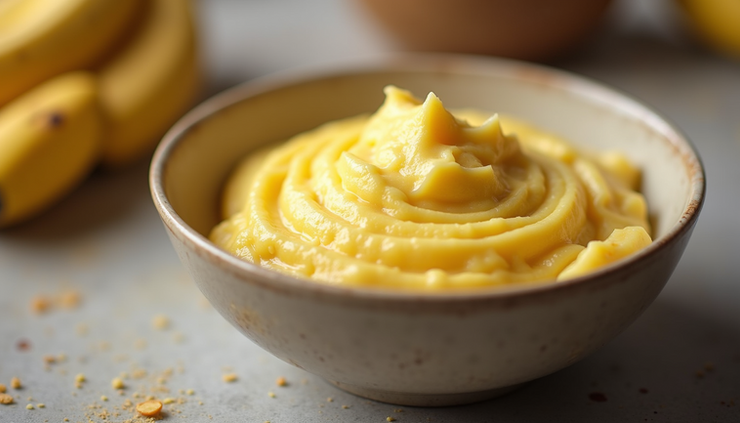
Mashed ripe banana is another moistening agent that can replace eggs. Use 1/4 cup of mashed banana for one egg. It adds natural sweetness and a mild banana flavor, which pairs well with chocolate, nuts, and spices.
Banana works well in pancakes, muffins, donuts, and brownies but may not be suitable for recipes where a neutral taste is desired.
5. Silken Tofu
Silken tofu is a versatile egg substitute that adds density and moisture without altering flavor. Blend 1/4 cup of silken tofu until smooth to replace one egg. It works well in brownies, cheesecakes, and dense cakes.
Because tofu is flavor-neutral, it’s a good choice when you want the original taste of your recipe to shine.
6. Aquafaba
Aquafaba is the liquid from canned chickpeas or other legumes. It whips up like egg whites and can be used as a binder. Use 3 tablespoons of aquafaba to replace one egg.
Aquafaba is perfect for meringues, macarons, and light cakes. When whipping up to stiff peaks, add xantham gum and cream of tartar to it to stabilize the peaks.
It is also good in batters for deep frying foods, and when making mayonnaise.
7. Pumpkin Puree
Pumpkin puree adds moisture and a mild earthy flavor. Use 1/4 cup to replace one egg. It works well in fall-inspired recipes like pumpkin bread, muffins, and spice cakes.
This can also be done with pureed yam, sweet potato, or butternut squash.
8. Yogurt (Plant-Based)
Unsweetened plant-based yogurt (such as soy or coconut) can replace eggs by adding moisture and binding. Use 1/4 cup of yogurt for one egg. It’s suitable for cakes, muffins, and quick breads.
Choose plain yogurt to avoid altering the flavor of your baked goods.
9. Ground Psyllium Husk
Psyllium husk powder absorbs water and forms a gel, similar to flaxseed and chia. Mix 1 tablespoon of psyllium husk with 3 tablespoons of water to replace one egg. It’s excellent for breads and recipes that need extra binding.
Nut and Seed Butters
Nut and seed butters can replace eggs by bringing added moisture and act as a binder in a recipe. Use 1/4 cup of nut or seed butter to replace 1 egg in a recipe.



Comments